
When purchasing or renovating a home, most people focus on floor plans, countertop materials, and neighborhood school districts. Rarely do buyers pause to consider what happens under the foundation or behind the drywall when they turn on a kitchen faucet or flush a toilet. Yet, the geographical location of your property dictates the fundamental design, maintenance obligations, and financial management of your home’s water infrastructure.
Moving just a few miles from a suburban neighborhood into the surrounding countryside completely changes how freshwater enters your residence and how wastewater leaves it. Suburban homes are built around centralized municipal utility networks that handle water treatment, supply delivery, and sewage processing on a massive scale. In contrast, rural properties operate as self-contained utility ecosystems, relying on private groundwater wells and independent waste management setups built directly on the lot.
Understanding the operational differences between these two infrastructure models is essential for every homeowner. Recognizing how your location impacts water pressure, component wear, power dependencies, and maintenance schedules empowers you to prevent sudden mechanical failures, protect your property value, and keep your household running smoothly year-round.
Water Supply Systems: Municipal Grid vs. Private Well Management
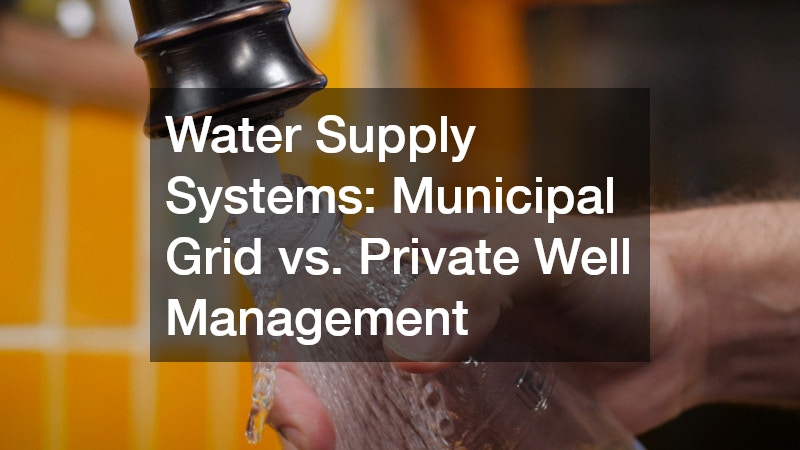
The primary difference between suburban and rural living begins with where your drinking water originates and how it gets delivered to your home’s fixtures.
Suburban homes connect directly to a municipal public water system. Water is drawn from large lakes, rivers, or deep city aquifers, treated at a centralized facility, and pressurized across miles of underground mains. The local water utility monitors purity, adjusts mineral balance, and maintains supply pressure up to your property line. As a suburban homeowner, your primary responsibilities are paying a monthly water bill, monitoring your main shut-off valve, and managing internal pipe health.
Rural properties, on the other hand, are completely independent. Water is drawn directly from an underground aquifer on your land using a private well system. This setup relies on several critical components:
- A deep borehole drilled into the water table, lined with a protective casing and screen
- A submersible well pump is submerged deep underground to bring water to the surface
- A pressure tank inside the home, containing an air bladder to regulate household water pressure
- An electrical control box and pressure switch that signal the pump when to cycle on and off
Because well water bypasses municipal treatment facilities, rural homeowners are solely responsible for water safety and quality testing. Groundwater picks up naturally occurring minerals, iron, sulfur, and potential agricultural runoff as it filters through dirt and rock. Installing multi-stage filtration units, sediment pre-filters, and water softeners is standard practice for rural homes to prevent heavy mineral scaling on fixtures and appliances.
Maintaining this specialized private infrastructure requires a different approach than servicing standard suburban pipes. Homeowners must schedule routine tune-ups for pressure tanks, test pump amp draws, and inspect filtration media. Working with a knowledgeable local plumber ensures that your well system is tuned correctly for your family’s daily water consumption and local soil chemistry. Utilizing comprehensive professional plumbing services allows rural residents to maintain pristine water clarity, extend pump lifespans, and safeguard their drinking supply against contamination.
Wastewater and Drainage: Municipal Sewers vs. On-Site Waste Disposal
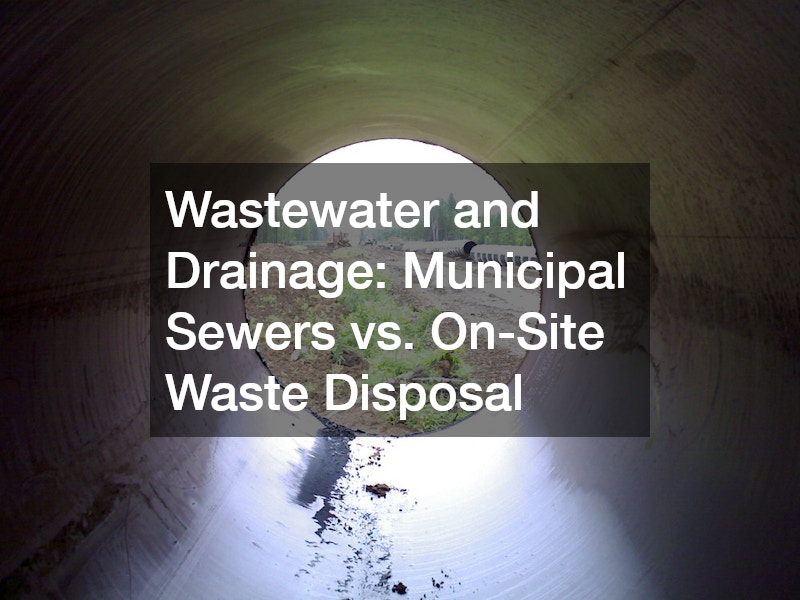
What goes down your drains presents an even starker contrast between rural and suburban infrastructure. The mechanics of wastewater disposal dictate what you can pour down the sink, how you care for your yard, and how you budget for long-term home maintenance.
Suburban homes use a gravity-fed or pump-assisted drain pipe network connected to a public sewer main running beneath the street. All household drainage flows through a main sewer line exiting the foundation, traveling out to the street connection, and heading onward to a municipal wastewater treatment plant. While the municipality maintains the main street sewer, homeowners are strictly responsible for the upper pipe segment running beneath their front lawn. Main risks in suburban setups include tree root intrusion into aging lateral pipes, grease buildup, and pipe sagging caused by soil shifting.
Rural homes cannot connect to municipal sewer lines due to low population density and distant infrastructure. Instead, they rely on a private, self-contained waste management setup installed on the property. A standard installation consists of a watertight underground treatment tank and a subsurface absorption field:
- Wastewater flows from household drains directly into a concrete or plastic holding tank.
- Solids settle to the bottom as sludge, while oils and grease float to the top as scum.
- Beneficial anaerobic bacteria inside the tank break down organic solid matter over time.
- Clarified liquid effluent flows out of the tank into a network of perforated pipes buried in a gravel-lined absorption field, where soil microbes safely filter the water before it rejoins the water table.
Because on-site waste processing relies on a delicate biological ecosystem, rural homeowners must be extremely cautious about household chemical use. Bleach, harsh drain cleaners, antibacterial soaps, paint, and synthetic flushable wipes can kill the beneficial bacteria in the tank, causing untreated sewage to back up into the house or clog the soil field.
Constructing or replacing these private waste processing systems is a heavily regulated engineering process requiring soil percolation tests, site topography evaluations, and strict local health department permits. Bringing in a licensed team specialized in local septic system installation ensures that your tank sizing, piping slopes, and absorption trenches meet regional environmental codes. When buying or maintaining a rural property, partnering with an established, full-service plumbing company provides access to camera drain inspections, mechanical tank pumping, and field maintenance that prevents catastrophic environmental contamination.
Crisis Response and Urgent Repairs: Navigating System Emergencies
System emergencies manifest differently depending on whether your home is connected to a municipal network or relies on private infrastructure. Geographical distance, mechanical complexity, and power dependencies directly impact how water emergencies unfold.
Suburban plumbing emergencies are frequently tied to high water pressure, sudden pipe bursts, or clogged main drain lines. Because municipal supplies maintain constant, high line pressure, a ruptured supply flex line under a bathroom sink or a split water heater tank can release dozens of gallons of water per minute into your living space. However, suburban homes benefit from fast access to local utility shut-offs, reliable cell coverage, and short transit times for service technicians.
Rural water emergencies often revolve around mechanical pump failures, frozen well lines, or electrical power outages. Because private well pumps run on electricity, a prolonged power loss during a severe storm cuts off your household water supply entirely, including the water needed to refill toilet tanks. Rural homeowners must plan ahead by taking proactive steps:
- Installing a manual transfer switch and a backup generator capable of powering a 240-volt well pump
- Adding a battery backup power system to the basement sump pumps to prevent flooding during heavy rains
- Insulating above-ground wellheads, pressure switches, and exposed piping against hard freezing temperatures
- Storing emergency potable water supplies for household cooking and basic sanitation during extended outages
Response times for emergency plumbing repair service during an urgent situation also vary significantly based on your home’s location. If a major pipe bursts or a well pump burns out in a remote area, service vehicles face longer travel times, especially during winter storms or severe weather. Establishing a relationship with a company that dispatches dedicated emergency plumbers ensures that your home gets prioritized when unexpected failures occur. Knowing who to call for an immediate emergency plumbing repair service gives both rural and suburban homeowners a critical safety net when water threatens their living space.
Troubleshooting Common Fixture and Pipe Failures

Every residential plumbing system experiences wear and tear over time. However, the mineral content of your water and the pressure dynamics within your supply line determine which specific components fail first.
In rural homes using well water, high concentrations of dissolved minerals like calcium, magnesium, iron, and lime create aggressive scale buildup inside household plumbing. Over time, hard mineral deposits coat the interior of copper and PEX pipes, restrict water flow through faucet aerators, clog showerhead nozzles, and ruin dishwashers. Mineral sludge also settles at the bottom of standard water heaters, creating an insulating layer that causes the bottom heating element or burner to overheat and burn out prematurely. Rural residents must flush their water heaters annually and periodically soak fixtures in descaling solutions to maintain proper water flow.
In suburban homes, high municipal water pressure is the leading cause of fixture wear. While high pressure feels great in the shower, excessive pressure puts continuous stress on pipe joints, appliance inlet valves, toilet fill valves, and faucet cartridges. If your municipal supply pressure exceeds eighty pounds per square inch, it can cause water hammer—a loud banging noise inside walls when faucets shut off quickly—and lead to sudden pipe seam ruptures. Suburban homeowners should install a pressure-reducing valve where the main supply enters the house and check its calibration annually.
Whether dealing with mineral-choked lines or high-pressure leaks, addressing minor plumbing symptoms early stops small drips from causing structural water damage. Performing routine maintenance like replacing worn valve washers, clearing aerators, and inspecting supply hoses keeps your fixtures operating smoothly. When complex failures occur, scheduling a prompt plumbing repair prevents minor mechanical glitches from destroying cabinets and subflooring. Homeowners seeking major fixture upgrades or pipe replacements should gather quotes from established plumbing companies to ensure all work meets current national and local plumbing codes.
Vetting and Hiring the Right Specialists for Your Location

Because rural and suburban plumbing networks rely on vastly different mechanical principles, selecting the right trade professional requires evaluating their specific area of field expertise. A technician who spends their entire career snaking suburban sewer lines may lack the specialized knowledge required to diagnose a complex well pump electrical issue or size a private waste field.
When hiring a trade specialist for your property, start by verifying their formal qualifications. Any technician working on your home’s core utility lines should possess active state trade licensing, commercial general liability insurance, and workers’ compensation coverage. Valid licenses demonstrate that the individual has completed rigorous apprenticeship hours, passed comprehensive technical exams, and understands local health and sanitation codes. Working with a verified, fully licensed plumber guarantees that your installation meets mandatory safety standards and will pass municipal inspections.
Before signing a contract or authorizing major work, ask targeted questions tailored to your home’s specific infrastructure:
- For Rural Properties: Ask about their experience with deep well pumps, pressure switches, filtration media, and septic tank mechanics. Inquire whether they carry specialized diagnostic equipment for electrical pump controls on their service trucks.
- For Suburban Properties: Inquire about their experience with municipal pressure-reducing valves, main sewer video camera diagnostics, trenchless sewer pipe replacement, and backflow prevention testing.
- For All Projects: Request a written, itemized estimate that clearly delineates labor charges, material costs, permit fees, and warranty coverage for both parts and workmanship.
For major renovation projects—such as building a home addition, re-piping an aging structure, or replacing a main utility line—partnering with a reputable plumbing contractor provides structural oversight, project management, and seamless coordination with local building officials. Choosing a specialist who thoroughly understands your property’s unique supply and waste mechanics ensures long-term system reliability.
Additionally, a skilled contractor can help anticipate potential challenges and offer solutions that align with local codes and regulations. This proactive approach not only saves time and money but also enhances the overall value of your property.
Conclusion
Whether your home sits on a tight suburban lot connected to city utilities or spans several acres in the country powered by a private well and septic tank, your plumbing system is vital to your family’s health, comfort, and daily convenience.
Suburban living offers the convenience of municipal oversight, constant supply availability, and centralized waste processing, but requires diligence regarding high water pressure and main line maintenance. Rural living offers total independence from city utility bills and water restrictions, but shifts the full responsibility of water testing, pump maintenance, power backup, and waste treatment directly onto the property owner.
By taking the time to understand your home’s hidden infrastructure, performing routine seasonal checks, and maintaining strong relationships with qualified local trade professionals, you can protect your property from unexpected water damage and enjoy safe, reliable water service for decades to come.