Most of us view our homes as a refuge from the outside world—a place to escape the smog, pollen, and industrial pollutants of the urban landscape. However, modern environmental science suggests a startling irony: the air inside the average home can be significantly more polluted than the air outside. Because we spend approximately 90% of our time indoors, the quality of that air is not merely a matter of comfort; it is a fundamental pillar of long-term health.
Improving indoor air quality (IAQ) is rarely achieved through a single “miracle” product like a plug-in purifier. Instead, it is the result of a holistic maintenance strategy. By addressing the structural integrity of the house, the efficiency of mechanical systems, and the management of moisture, you can transform your living space into a true sanctuary. This guide explores the deep-dive maintenance tasks required to ensure every breath you take at home is as clean as possible.
Optimizing the Heart of Your Home’s Circulation

The mechanical systems that regulate temperature are also responsible for moving air through every room in your house. When these systems are neglected, they stop being climate controllers and start acting as pollutant distributors. Maintenance here is about more than just avoiding a breakdown; it is about ensuring that the air being pushed through your vents hasn’t been sitting in a stagnant, dusty environment.
A primary step in this process is scheduling a professional heating and air conditioning inspection at least twice a year. During these visits, technicians don’t just check the thermostat; they clean the internal components that the average homeowner cannot reach. Dust buildup on evaporator coils or heat exchangers can become a breeding ground for bacteria when combined with the natural condensation produced during the cooling process. Furthermore, a well-tuned system ensures that the pressure within the home remains balanced, preventing “back-drafting,” where combustion gases are accidentally pulled back into the living space.
Beyond routine checks, there comes a time when the technology itself is the bottleneck. Older units often lack the blower power to push air through high-efficiency filters (such as those rated MERV 13 or higher). In such cases, a professional HVAC Service can evaluate whether your current system can be retrofitted or if it needs recalibration. Modern systems are designed with integrated humidity controls that keep indoor moisture levels between 30% and 50%—the “sweet spot” where mold cannot thrive and dust mites struggle to survive.
- Filter Discipline: Change your filters every 30 to 90 days. If you have pets or live in a high-pollen area, err on the side of 30 days.
- Sensor Calibration: Ensure your thermostat and any integrated air quality monitors are calibrated to prevent the system from over-cycling, which can lead to excess humidity.
- Clear the Perimeter: Keep at least two feet of clear space around your outdoor condenser unit to ensure the system doesn’t strain and overheat, which can off-gas internal lubricants.
Restoring the Pathways of Breathable Air
While the mechanical unit is the heart, the ductwork is the vascular system of your home. Over decades, these hidden channels can accumulate pounds of dust, pet hair, chemical residues, and even pest remains. Every time the fan kicks on, microscopic particles from this accumulation are sheared off and sent into your bedrooms and kitchens.
If you notice “ghosting” (dark streaks on walls near vents) or find that you are dusting your furniture every two days, it is likely time to investigate the state of your conduits. Investing in professional air duct cleanings can provide an immediate reset for your home’s baseline air quality. Using high-powered vacuums and specialized brushes, technicians remove the heavy particulate matter that filters can’t catch once it’s settled. This is particularly crucial after any home renovation project, as drywall dust is fine enough to bypass standard filters and settle deep within the ductwork.
Sometimes, the issue isn’t just dirt—it’s the equipment itself. If your home has an aging, inefficient unit that struggles to maintain a consistent temperature, the resulting moisture fluctuations can lead to internal corrosion. At this point, researching an air conditioning installation for a newer, more efficient model might be the most health-conscious move. Newer models often feature variable-speed motors that provide constant, low-level filtration and dehumidification, which is far more effective at maintaining air purity than the “all or nothing” blast of older, single-stage units.
Defensive Strategies Against Moisture and Microbial Growth

Moisture is the greatest enemy of indoor air quality. When water enters the home envelope, it triggers the growth of biological pollutants that can cause significant respiratory distress. The goal of maintenance is to stop water before it touches organic materials like wood, drywall, or insulation.
The roof is your first line of defense. Even a tiny, undetected drip can lead to saturated insulation in the attic. This dark, damp, and warm environment is a paradise for fungi. Proactive repairs of roof leaks are essential because by the time you see a brown spot on your ceiling, a colony of mold may have been flourishing for months. Regularly inspecting shingles, flashing around chimneys, and cleaning gutters ensures that water is always directed away from the home’s interior.
If moisture has already taken hold, a simple “wipe down” with bleach is rarely sufficient. For significant infestations, professional mold remediations are necessary to ensure that spores are not only killed but physically removed from the environment. Professionals use negative air pressure machines and HEPA scrubbing to prevent the mold from becoming airborne and spreading to other parts of the house during the cleanup process.
- Attic Ventilation: Ensure soffit vents are not blocked by insulation; moving air prevents moisture from condensing on the underside of the roof deck.
- Gutter Maintenance: Downspouts should discharge water at least six to ten feet away from the foundation to prevent “wicking” through the walls.
- Flashings: Pay close attention to the seals around plumbing stacks and skylights, as these are common failure points.
Fortifying the Structural Shell
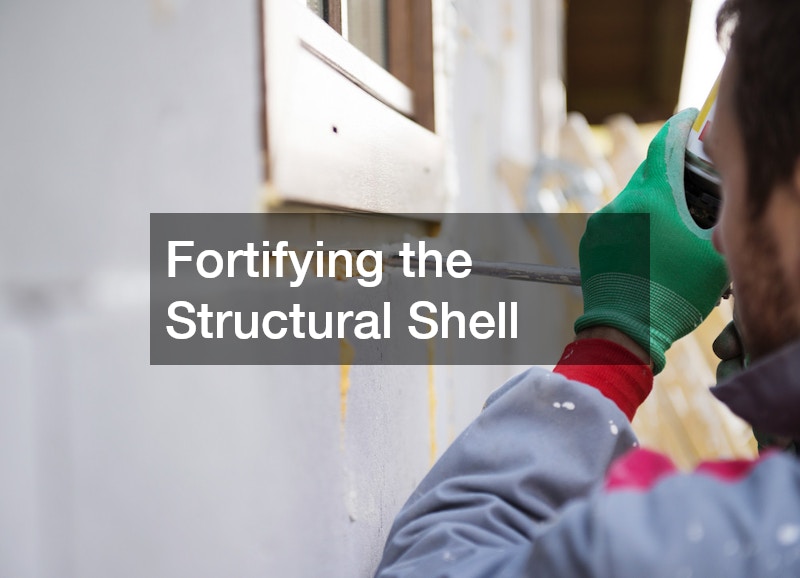
The exterior of your home—the siding and windows—acts as a filter for the outdoor environment. If the “skin” of your house is compromised, you lose control over what enters your breathing zone. Gaps in siding or failing window seals don’t just let in cold air; they let in humidity, allergens, and fine particulate matter from traffic or industrial activity.
Siding is often overlooked in discussions about air quality, but it plays a vital role. If siding is cracked or improperly installed, water can trap behind it, leading to “wall rot.” This creates a hidden layer of mold that slowly off-gasses into the home through electrical outlets and baseboards. Engaging experienced siding contractors to inspect the house every few years can identify these hidden moisture traps before they become air quality nightmares. They can ensure that the house wrap—the breathable barrier behind your siding—is functioning correctly to allow interior moisture out while keeping exterior liquid water from entering.
Similarly, windows are a frequent source of air quality degradation. Old, single-pane windows or those with failing sills often develop condensation on the interior glass. This liquid pools on the wooden frame, leading to localized rot and mold growth right at the level where we sleep and breathe. Utilizing a window replacement service to install high-performance, double or triple-pane units with “warm edge” spacers can eliminate this condensation entirely. Modern windows also provide a superior seal against outdoor smog and seasonal pollens, giving you total control over when “fresh” air is allowed inside.
Managing the Underground and Invisible Threats
The lowest points of the home—the basement or crawlspace—often have the greatest impact on the air in the upper floors due to the “stack effect.” As warm air rises and exits through the attic, it creates a vacuum that pulls air upward from the ground. If your basement is damp or your plumbing is failing, that is the air you will eventually breathe in your living room.
Groundwater is a constant threat to foundation integrity. If you notice a musty smell in your lower levels, it is a sign that water vapor is migrating through the concrete. Comprehensive basement leak repairs, including interior or exterior waterproofing membranes and sump pump maintenance, are vital. By keeping the basement bone-dry, you eliminate the source of the “basement smell,” which is actually the byproduct of microbial volatile organic compounds (mVOCs) produced by fungi and bacteria.
Finally, we must consider the systems that remove waste from the home. While we rarely think about them unless there is a backup, these systems are critical to IAQ. Proper venting of sewer lines ensures that methane and other harmful gases are released above the roofline rather than into the home. In areas without municipal sewers, staying current with waste water treatment services and septic tank pumping is essential. A failing drainage system can saturate the soil around the foundation, leading to the very moisture issues that degrade air quality and create hazardous odors.
- Dehumidification: In many climates, a basement requires a dedicated, high-capacity dehumidifier to keep the relative humidity below 50%.
- Sump Pump Testing: Pour water into the pit to ensure the float switch triggers and the pump effectively clears the water before it reaches the floor level.
- Crack Injection: Use epoxy or polyurethane injections to seal foundation cracks, preventing both water entry and the infiltration of radon gas.
Creating an Airborne Maintenance Routine
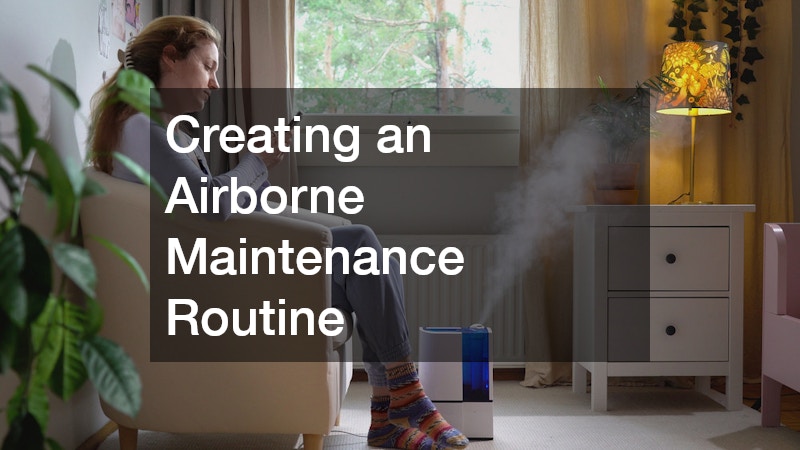
Beyond the heavy lifting of structural repairs and mechanical overhauls, the daily and weekly habits of the household act as the final polish on your air quality strategy. Maintenance is not just about what you fix; it is about what you choose to introduce—or not introduce—into your environment.
One of the most effective “maintenance” habits is the transition to low-VOC (Volatile Organic Compound) living. Many household cleaners, paints, and even furniture pieces release chemicals like formaldehyde into the air for years. When you perform maintenance, such as repainting a room or installing new flooring, prioritize materials labeled “Zero-VOC” or “Greenguard Gold Certified.” This ensures that your efforts to clean the air aren’t undermined by the very materials you are using to improve the home.
Ventilation is the partner of filtration. In the kitchen, ensure that your range hood vents to the outside rather than just recirculating the air. Cooking, especially with gas stoves, releases nitrogen dioxide and fine particulates. Regularly cleaning the grease filters on these hoods is a small maintenance task that significantly impacts the air in the heart of the home. Similarly, ensure bathroom fans are clean and functioning; they should be strong enough to hold a single square of toilet paper against the grille when running. If they can’t, they aren’t effectively removing the steam that leads to mold in the drywall.
- HEPA Vacuuming: Use a vacuum with a certified HEPA filter. Standard vacuums often suck up large dust but blow the smallest, most irritating particles right back out the exhaust.
- Entryway Management: 80% of the dirt in a home is tracked in on shoes. Implementing a “no-shoes” policy and using high-quality walk-off mats can drastically reduce the amount of lead, pesticides, and road dust that enters your air.
- Humidity Monitoring: Purchase a few inexpensive hygrometers to place in the basement, attic, and living areas. Knowledge is power—knowing when your humidity spikes allows you to take action before mold begins to grow.
Maintaining the air in your house is a continuous journey of observation and action. It requires moving beyond the “set it and forget it” mentality and recognizing that every component of your home—from the shingles on the roof to the pipes beneath the floor—is interconnected. A leak in the roof can lead to mold in the attic, which can be pulled into the ductwork and distributed by the furnace. By viewing home maintenance through the lens of air quality, you aren’t just protecting your financial investment; you are protecting the biological health of everyone who lives within those walls.
As you move forward, prioritize the tasks that address the largest sources of pollution: moisture control, mechanical filtration, and structural integrity. While the list of maintenance tasks can seem daunting, the result is a home that feels lighter, smells fresher, and truly supports your well-being. A clean home is a quiet engine of health, working silently in the background to ensure that the air you breathe is as pure as possible.