Key Takeaways
- Improve kitchen flow by arranging appliances, work areas, and walkways to make cooking safer and more convenient.
- Reduce countertop clutter with pull-out shelves, drawer dividers, vertical storage, and better cabinet organization.
- Install layered lighting, including under-cabinet fixtures, to improve visibility and make food preparation easier.
- Choose durable countertops and flooring that resist everyday wear, spills, and moisture while remaining easy to clean.
- Improve ventilation with a properly sized range hood to remove cooking fumes, grease, and excess moisture.
- Refresh existing cabinets and upgrade appliances to improve appearance, energy efficiency, and daily convenience without replacing everything.
- Address leaks, damaged wiring, poor drainage, and other underlying problems before investing in cosmetic improvements.
An outdated kitchen can make everyday tasks harder than they need to be. Limited counter space, poor lighting, crowded cabinets, and old appliances can turn cooking and cleaning into frustrating chores. Even if your kitchen is still in good condition, an inefficient layout or worn-out features may keep it from meeting your household’s needs.
The good news is that modern kitchen upgrades do not have to focus on appearance alone. The right changes can solve common problems, improve safety, make cleaning easier, and help you get more use out of the space you already have. Some projects involve simple repairs, while others may require new cabinets, updated plumbing, or changes to the electrical system.
Before starting a renovation, identify the problems that affect your daily routine most. Then choose improvements that fit your budget, available space, and long-term plans. Here are practical modern kitchen ideas that can help you turn an outdated kitchen into a more comfortable and functional space.
1. Improve a Crowded Layout With Better Space Planning
A cramped kitchen can make meal preparation difficult, especially when several people need to use the space at once. Narrow walkways, poorly placed appliances, and limited preparation areas can slow you down and increase the risk of spills or accidents.
Start by reviewing how you move between the sink, refrigerator, and stove. These areas should be easy to reach without forcing you to walk around open cabinet doors or other people. If you have enough room, consider moving a small appliance station, removing an unnecessary piece of furniture, or changing the location of frequently used items.
For larger problems, a kitchen layout change may be worth considering. Replacing a bulky island with a smaller one or adding a peninsula can improve movement without requiring a complete remodel. Before moving walls or plumbing fixtures, consult qualified professionals to check structural limits, building codes, and the cost of the changes.
2. Add Storage to Reduce Countertop Clutter
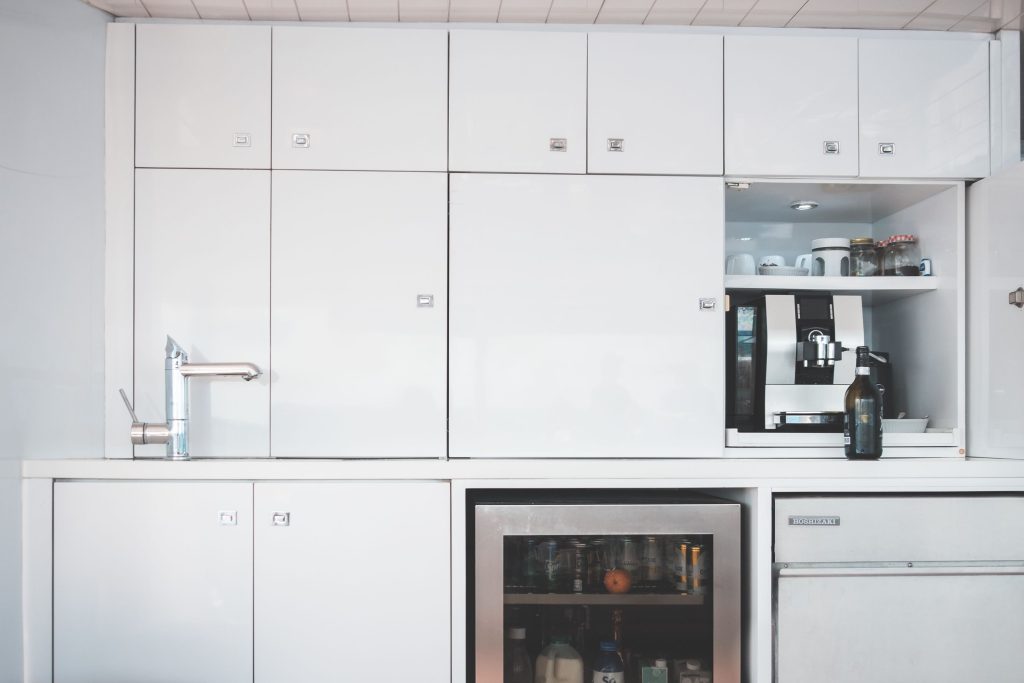
Too many items on the counter can make even a large kitchen feel messy. Small appliances, cooking tools, food containers, and everyday supplies often take up the space you need for preparing meals.
Modern storage solutions can help you organize these items without adding more floor space. Pull-out shelves make deep cabinets easier to use, while drawer dividers keep utensils and cooking tools in order. Vertical dividers can store baking sheets and cutting boards, and corner organizers can make awkward cabinet spaces more useful.
You can also make better use of the space above your counters. Install a wall-mounted rail for frequently used utensils, add shelves for lightweight items, or use a cabinet organizer to create extra storage levels. Keep heavy cookware in lower cabinets and place everyday essentials where you can reach them safely. If cabinets are damaged or no longer meet your needs, replacing only the most problematic units may be more affordable than renovating the entire kitchen.
3. Upgrade Poor Lighting for Safer Food Preparation
Poor lighting can make a kitchen difficult to use. Shadows across countertops can hide spills, make it harder to read appliance controls, and create problems when chopping vegetables or measuring ingredients.
A modern kitchen should have a combination of general, task, and accent lighting. Ceiling fixtures provide overall illumination, while under-cabinet lights brighten work surfaces. Pendant lights can add focused lighting above an island or breakfast bar, provided they are positioned to avoid glare and obstruction.
Choose bulbs with a suitable brightness and color temperature for the task. Neutral or slightly warm white lighting often works well in kitchens because it provides clear visibility without making the room feel harsh. When replacing old fixtures, check whether the existing wiring and electrical box can support the new installation. Electrical work near sinks or other wet areas may require specific safety protection under local codes, so use a licensed electrician when needed.
4. Replace Worn Countertops With Durable Surfaces
Scratched, stained, or damaged countertops can make an otherwise usable kitchen look old. Some surfaces are also difficult to maintain because they absorb moisture, stain easily, or require regular sealing.
When choosing a replacement, consider how you cook and clean. Quartz countertops are nonporous and generally easy to clean, while granite offers a natural stone appearance but may need periodic sealing. Solid-surface materials can provide a smooth look, and laminate can be a budget-friendly choice when installed and maintained correctly.
Before selecting a countertop, compare its resistance to heat, scratches, stains, and impact. No material is completely damage-proof, so use cutting boards and avoid placing hot cookware directly on the surface unless the manufacturer says it is safe. If your existing countertop is structurally sound, repairing small chips, refreshing the finish where appropriate, or replacing only a damaged section may help control costs. Make sure new countertops are properly supported and sealed around sinks to prevent moisture damage.
5. Improve Ventilation to Remove Cooking Odors and Moisture
A kitchen that stays smoky, greasy, or damp after cooking may have poor ventilation. Steam and airborne grease can settle on cabinets, walls, and ceilings. Over time, excess moisture can contribute to peeling paint, unpleasant odors, and mold growth in areas that remain damp.
A range hood can help remove cooking fumes, heat, and grease from the air. When possible, choose a model that vents outdoors rather than one that only recirculates air through a filter. The hood should be sized appropriately for the cooking surface and installed at the distance recommended by the manufacturer.
If you already have a range hood, check whether the filter needs cleaning or replacement and whether the duct is blocked. A noisy fan may have a worn component or an installation problem. Do not ignore persistent moisture, especially around windows, ceilings, or cabinets. If the kitchen has recurring dampness or visible mold, find and fix the source rather than simply covering the affected area. Ductwork, electrical connections, and major ventilation changes may require professional service.
6. Refresh Cabinets Without Replacing Everything
Old cabinets can make a kitchen feel dated, but replacing every unit is not always necessary. If the cabinet boxes are strong and free from serious water damage, a cosmetic update may provide a noticeable improvement at a lower cost.
Painting suitable cabinet surfaces can give the room a fresh appearance. Popular modern choices include warm white, soft gray, muted green, and natural wood tones. Before painting, remove the doors and hardware, clean away grease, sand as needed, and apply a primer designed for the surface. Use a durable cabinet paint and allow it to cure according to the product instructions before reinstalling doors.
Replacing old handles and knobs is another simple way to update the kitchen. Soft-close hinges or drawer slides can reduce slamming and improve daily use. However, swollen particleboard, sagging cabinet bases, loose wall attachments, or water-damaged areas may need repair or replacement before cosmetic work begins. Fixing the underlying problem helps prevent the new finish from failing too soon.
7. Choose Flooring That Handles Spills and Heavy Use
Kitchen floors deal with frequent foot traffic, dropped utensils, food spills, and moisture. Worn or uneven flooring can make cleaning harder and create a tripping hazard.
Porcelain tile is a durable choice for many kitchens and resists water when installed with suitable materials and maintained properly. Luxury vinyl flooring can offer a softer feel underfoot and comes in designs that resemble wood or stone. Engineered wood may suit some kitchens, but its moisture resistance depends on the product and installation. No flooring should be treated as fully waterproof unless the manufacturer specifically states that it is.
Before installing new flooring, check for loose tiles, soft spots, damaged subfloors, or signs of water intrusion. These problems should be repaired before the new surface goes down. Choose a finish with suitable slip resistance, especially in areas near the sink and dishwasher. Proper underlayment, expansion gaps, and sealing details are also important because poor installation can lead to buckling, cracks, or moisture damage.
8. Update Old Appliances for Better Efficiency
Older appliances may use more energy, take longer to complete tasks, or lack features that make cooking easier. Replacing inefficient equipment can improve convenience and may lower energy use, depending on the appliance, how often it is used, and the efficiency of the replacement.
Look for refrigerators, dishwashers, and other appliances with strong efficiency ratings and features that match your household’s needs. A dishwasher with suitable cycle options can help reduce water use compared with handwashing, especially when it is run with a full load. An induction cooktop can provide fast, precise heating, but it requires compatible cookware and an appropriate electrical supply.
Measure the available space before purchasing new equipment. Check door clearance, ventilation requirements, water connections, and electrical capacity. A refrigerator that fits the opening may still block a walkway if its doors cannot open fully. For major appliance changes, especially those involving gas lines or electrical upgrades, use a qualified professional. Proper installation protects your home and helps the appliance work as intended.
9. Make the Sink Area Easier to Use and Maintain
A damaged or poorly arranged sink area can create daily frustrations. Leaky faucets waste water, clogged drains slow down cleanup, and insufficient space around the sink makes washing large pots difficult.
Start by checking the faucet, drain, supply lines, and cabinet below the sink. Look for corrosion, damp wood, water stains, and loose connections. Replacing a worn faucet with a water-efficient model can improve usability and reduce unnecessary water use. A deeper sink may be helpful if you frequently wash large cookware, but confirm that the cabinet and plumbing can accommodate it.
You can also add a pull-out trash bin, a removable sink caddy, or a drying rack that fits over the basin. These changes keep supplies organized and free up counter space. If a drain repeatedly clogs or a cabinet continues to get wet, address the cause instead of relying on temporary fixes. Persistent leaks, damaged drainpipes, or signs of hidden water damage should be assessed by a plumber.
10. Bring in Natural Materials and Easy-Care Finishes
Modern kitchen design does not have to rely on glossy surfaces or bold colors. Natural textures and simple finishes can make the room feel welcoming while keeping the design practical. Wood accents, stone details, neutral colors, and plants can add warmth without overwhelming the space.
Nature-inspired kitchen spaces often combine natural-looking materials with a calm color palette and plenty of light. For example, you might pair light wood cabinet fronts with a pale countertop, add a green backsplash, or use open shelves for a few carefully chosen items. These choices can make a kitchen feel less sterile while keeping the overall design clean and simple.
Practicality matters as much as appearance. Choose finishes that can handle grease, moisture, and frequent cleaning. Keep decorative items away from the stove and avoid overcrowding open shelves with objects that collect dust. If you add plants, choose varieties suited to the available light and place them where they will not interfere with food preparation. A few thoughtful details can refresh the kitchen without requiring a major renovation.
Plan Repairs Before Starting a Kitchen Upgrade
Before beginning work, make a list of the problems you want to solve and rank them by urgency. Leaks, damaged wiring, unsafe flooring, and poor ventilation should come before decorative changes. Addressing these issues first can prevent new finishes and fixtures from being damaged later.
Next, set a realistic budget that includes materials, labor, permits where required, and a reserve for unexpected repairs. Get written estimates for major work and confirm which tasks are included. If the project involves plumbing, gas, structural changes, or electrical systems, hire qualified professionals who understand local building requirements.
It also helps to make upgrades in stages if a full renovation is too expensive. You could begin with better lighting and storage, then replace damaged countertops or flooring later. A clear plan helps you spend money on improvements that solve real problems instead of paying for changes that only look good.
Conclusion
An outdated kitchen can often be improved with targeted repairs and thoughtful upgrades. Better storage, brighter task lighting, durable surfaces, proper ventilation, and efficient appliances can make everyday cooking and cleaning easier. You do not always need to replace everything to achieve a more modern, functional space.
Focus first on the issues that affect safety, comfort, and daily use. Check for hidden damage, choose materials suited to your household, and bring in qualified professionals when a repair requires specialized skills. With careful planning, you can create a kitchen that looks refreshed, works better, and remains easier to maintain for years to come.